
Affiliate Program
How to Choose the Right Tank Cleaning Robot

Crude oil tank cleaning robots and dredging robots serve distinct industrial purposes but share some robotic principles like autonomy and remote operation. Tank cleaning robots are specialized for hazardous, confined oil storage environments, focusing on sludge removal and safety in explosive atmospheres. Dredging robots, in contrast, are engineered for underwater or sediment-heavy aquatic settings, emphasizing sediment excavation in open, fluid-filled spaces. Below, I outline the key design differences across core aspects, based on industry-standard systems
| Aspect | Crude Oil Tank Cleaning robot | Dredging Robot |
| Industry Standard | ATEX ZONE 0/1 | Non Exproof/CNEX |
| Primary Medium | Air/Sludge confined hazardous | Water/sediment open submerged |
| Walking System | Magnet build in rubber | Rubber or chain cralwer |
| Power | Dual motor 37kw | One motor 18.5kw |
| Power back design | Not with robot,outside tank | Carried by robot back,enter tank |
| Size deployment | Compact can enter 19inch manhole | Larger modular ,surface launched |
| Core tools | Jets,shredder,slurry pump, vacuum suction | Cutters,slurry pump |
1. ATEX ZONE 0/1 VS None Ex-proof or normal Ex-proof working conditions
 VS
VS 
• Crude Oil Tank Cleaning Robots: Designed for enclosed, confined spaces like 28m-diameter storage tanks with viscous, flammable sludge (e.g., 0.5m depth). Structures are compact (fitting 600mm manways) and corrosion-resistant (e.g., stainless steel alloys) to handle toxic vapors (H2S), hydrocarbons, and minimal water. They prioritize vertical/horizontal adhesion in low-gravity, non-submerged conditions.
• Dredging Robots: Built for open-water bodies (rivers, reservoirs, lakes) or industrial water tanks, submerged up to 100-300m depths. Designs feature buoyant, waterproof hulls (e.g., modular fiberglass or steel frames) resistant to water pressure, currents, and abrasive sediments. They include flotation aids for surface deployment.
• Key Difference: Tank robots emphasize explosion containment and confined-space maneuverability; dredging robots focus on hydrodynamic stability and depth tolerance.
2.Walking mechanism
 VS
VS 
• Crude Oil Tank Cleaning Robots: Designed for oily sludge slippery working conditions,special designed rubber built in strong Magnet
• Dredging Robots: Rubber or chain cralwer without strong magnet ,can not adhere to tank bottom and walk properly
• Key Difference: Tank cleaning robots emphasize on walking on oily slippery steel plate with magnet attached to the bottom
3.Motor system
 VS
VS 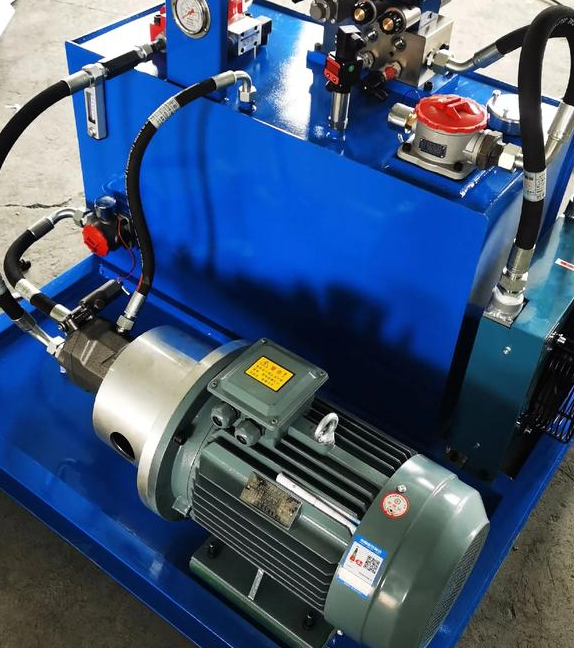
• Crude Oil Tank Cleaning Robots: Designed for working while walking ,dual motors more powerful
• Dredging Robots: One motor for both walking and suction,very weak
• Key Difference: Tank cleaning robots more powerful when working while walking .
4.Power pack system
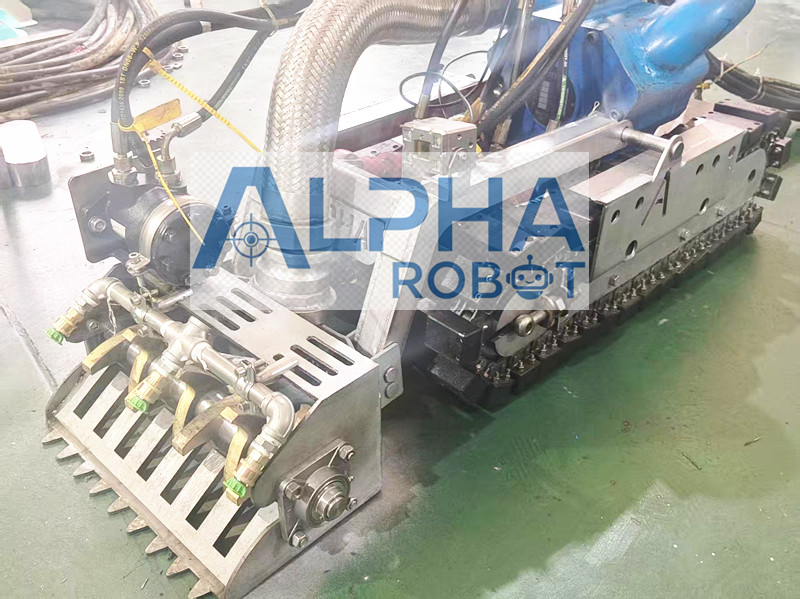 vs
vs 
• Crude Oil Tank Cleaning Robots: Designed for less weight and compact ,power pack system with power station ,not goes into tank ,robot can work more flexible and less maintainance
• Dredging Robots: Old design ,carry power pack on back,very heavy and bulk,can not pass through 20inch manhole, more difficult to do maintainance
• Key Difference: Tank cleaning robots less weight,compact can pass through 19inch man hole more user friendly.
5.Pumping system
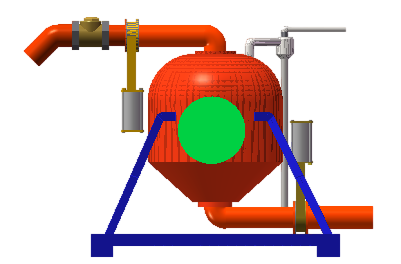 VS
VS 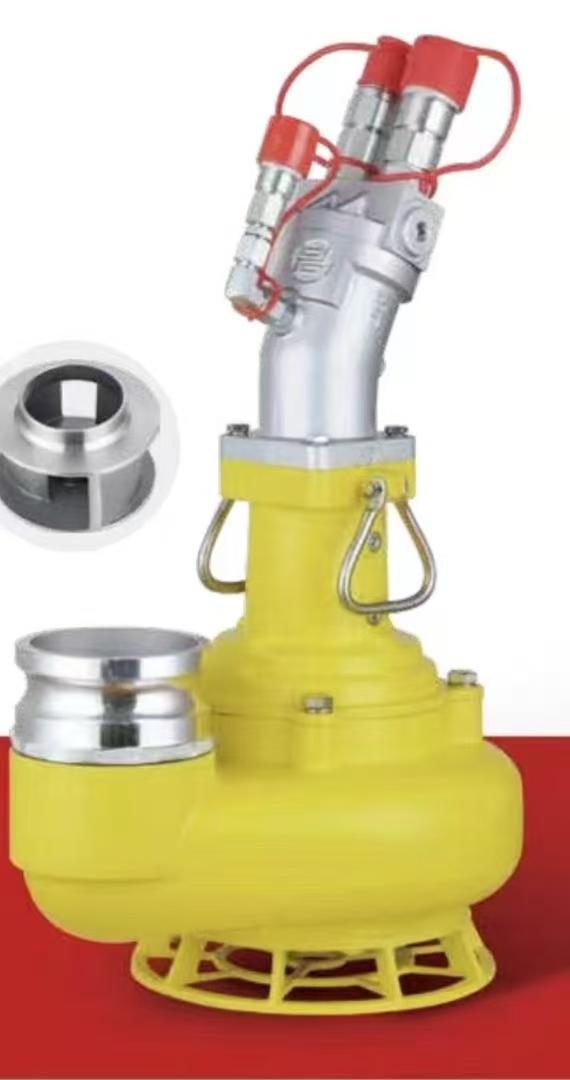
• Crude Oil Tank Cleaning Robots: Two pump ,one slurry pump for liquid phase sludge ,vacuum solids pump with air tank,Ex aircompressor for hard sludge transfer
• Dredging Robots: Only one slurry pump,not suitable for hard sludge transfer
• Key Difference: Tank cleaning robots built for tank bottom hard sludge cleaning purpose
6.Robot head
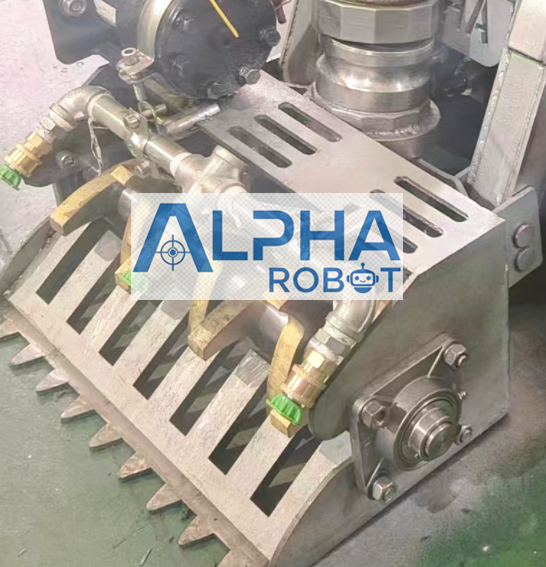 VS
VS 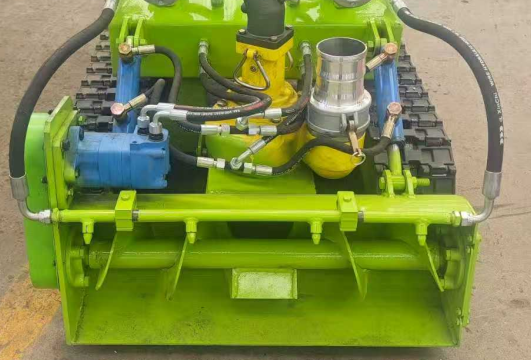
• Crude Oil Tank Cleaning Robots:designed for not only mixing and suction ,but also grinding ,cuttings and vacuum suction
• Dredging Robots: Only for liquid phase ,solids phase not effective
• Key Difference: Tank cleaning robots built for tank bottom hard sludge cleaning purpose