
Affiliate Program
Safety Issues in Manual Tank Cleaning
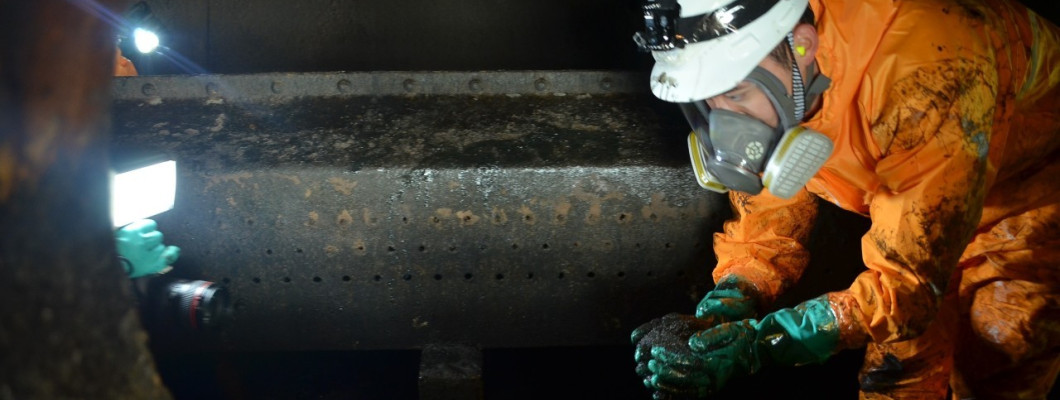
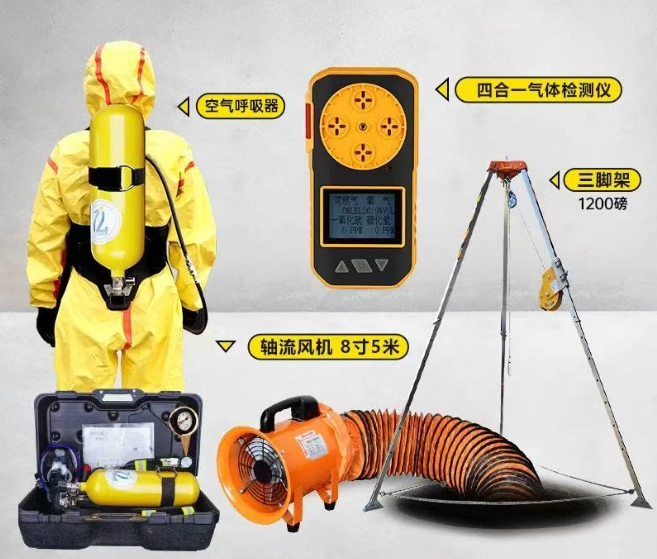
Issues in Manual Tank Cleaning
1. Confined Space Hazards
• Risk: Tanks are enclosed spaces with limited entry/exit points (e.g., 600mm manways), leading to risks of entrapment, asphyxiation, or disorientation. Poor ventilation exacerbates oxygen deficiency (below 19.5%) or accumulation of toxic gases.
• Specific Concern: In a 28m tank with 308 m³ of sludge (0.5m depth), workers wading through viscous sludge face mobility restrictions and potential entrapment.
• Impact: Can result in suffocation, unconsciousness, or fatalities; confined space incidents account for ~100 deaths annually in the U.S. alone (OSHA data).
2. Exposure to Toxic and Flammable Vapors
• Risk: Crude oil sludge emits hydrogen sulfide (H2S), benzene, and volatile organic compounds (VOCs), which are toxic at low concentrations (H2S lethal at 100 ppm). Flammable vapors create explosion risks (lower explosive limit ~1-7% for hydrocarbons).
• Specific Concern: Disturbing 0.5m sludge layers releases trapped gases, increasing exposure during manual shoveling or jetting.
• Impact: Acute poisoning, respiratory damage, or fires/explosions; H2S incidents are a leading cause of oil and gas worker fatalities.
3. Physical and Ergonomic Hazards
• Risk: Workers use shovels, squeegees, or high-pressure hoses, leading to fatigue, slips, or falls on slippery sludge surfaces. Heavy lifting (e.g., sludge buckets) causes musculoskeletal injuries.
• Specific Concern: Cleaning 615.75 m² (28m tank base area) manually requires prolonged exertion, often in awkward postures inside a confined space.
• Impact: Sprains, fractures, or long-term injuries; manual cleaning’s labor intensity increases accident rates.
4. Fire and Explosion Risks
• Risk: Sparks from non-intrinsically safe tools (e.g., metal shovels) or static electricity can ignite flammable vapors. Hot work (e.g., welding for tank repairs) post-cleaning heightens risks.
• Specific Concern: A 28m tank with hydrocarbon-rich sludge (40-70% oil content) is a high-risk zone, requiring strict spark control.
• Impact: Catastrophic explosions; API 2015 reports emphasize ignition risks during manual tank cleaning.
5. Environmental and Regulatory Non-Compliance
• Risk: Improper sludge disposal or vapor release violates environmental regulations (e.g., EPA, EU REACH). Inadequate gas monitoring or worker training risks fines or shutdowns.
• Specific Concern: Manual handling of 308 m³ sludge increases spillage or emission risks compared to closed-loop robotic systems.
• Impact: Legal penalties, environmental damage, or operational delays; non-compliance costs can exceed $100,000 per incident.
6. Heat Stress and Fatigue
• Risk: Workers in protective suits (e.g., PPE for chemical exposure) face heat stress in enclosed tanks, especially in warm climates. Long shifts (20-30 days for a 28m tank) cause fatigue, reducing alertness.
• Specific Concern: Prolonged exposure to 0.5m sludge and high humidity inside tanks increases dehydration risks.
• Impact: Heatstroke, reduced reaction times, or errors leading to accidents.