
Affiliate Program
Manual Crude Oil Tank Cleaning Tools and Procedure
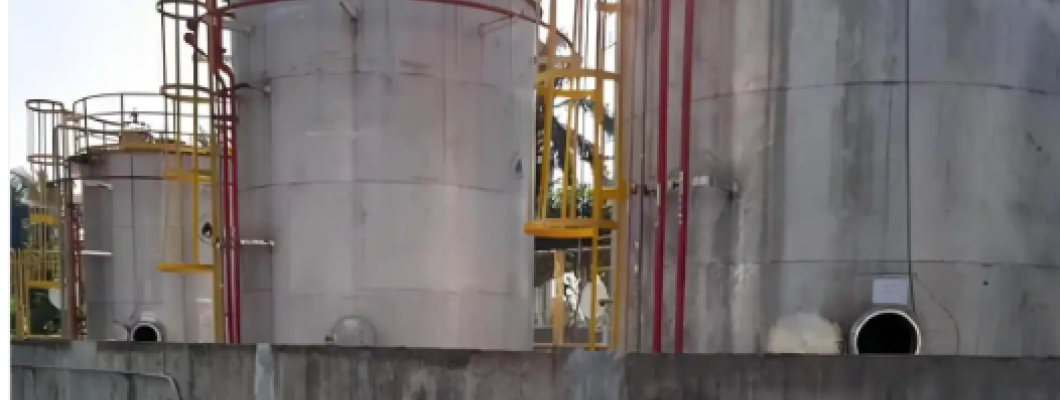
Manually cleaning crude oil tank is a high risk confined space job ,core equipment to be prepared is Safety protection and gas detactor ,all should be Explosion proof standard .
Before operation,should follow below steps :
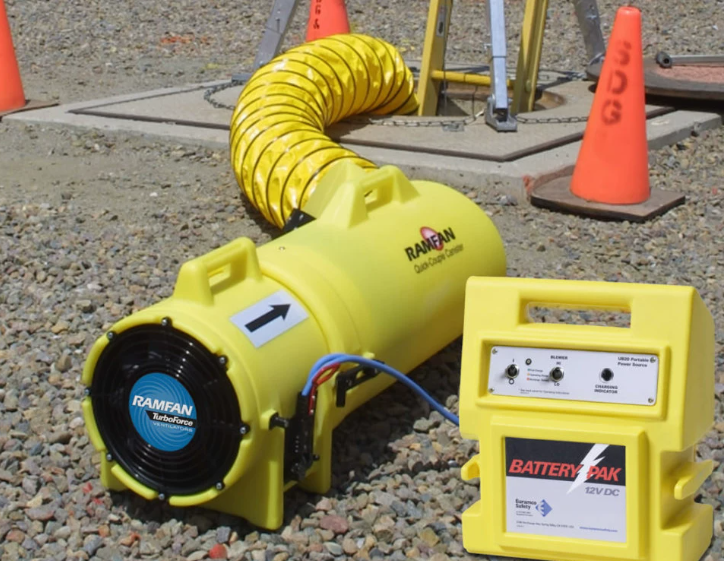
1. Ventilate with ATEX fan .
2. Inspect the gas density
3. Operation
4.QHSE Supervision
The equipment and tools to be prepared :
1. Ventilation Equipment: Explosion-proof axial flow fans are used for continuous forced ventilation to reduce the concentration of oil vapor in the tank.
2. Gas Detector: Four-in-One Detector (Combustible Gas/Oxygen/Sulfur Dioxide/Carbon Monoxide), Continuous Monitoring Before and During Tank Entry. Combustible Gas Concentration Must Be Below 20% to 40% of the Lower Explosive Limit, and Oxygen Level Must Be Between 19.5% and 23.5%.
3. Copper or wooden tools.It is strictly prohibited to use non explosion proof tools to strike; Explosion proof emergency lights are required for lighting, and explosion-proof intercoms are used for communication.
4. Cleaning tools: high-pressure water gun, scraper, cotton cloth, oil absorbing felt, etc., used to remove residual oil and dirt from the bottom and walls of the tank.
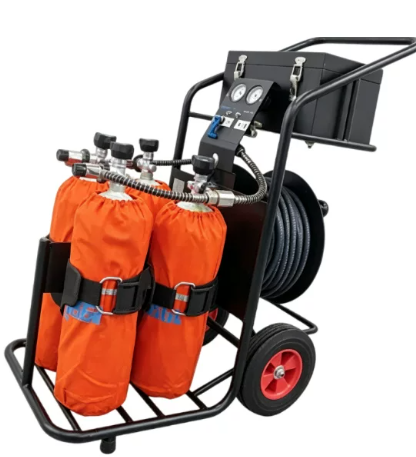
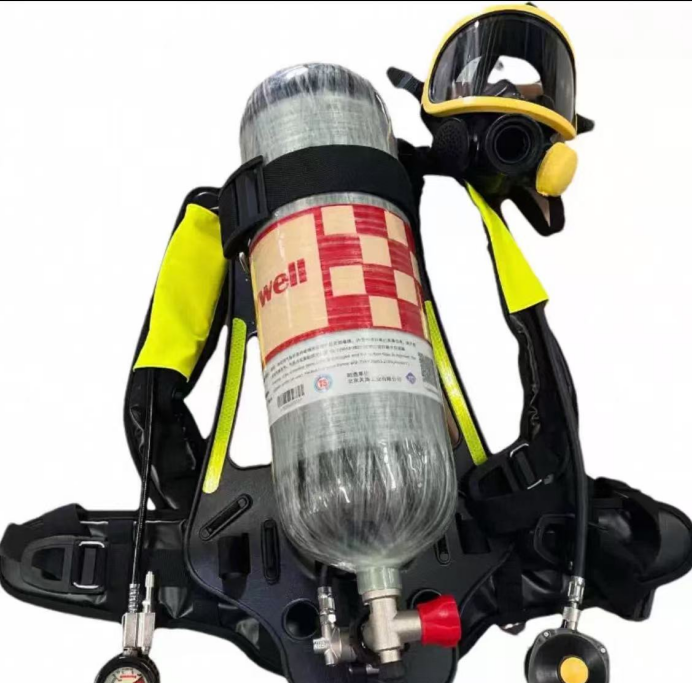
5. Protective equipment: positive pressure air respirator, anti-static work clothes, chemical resistant boots, nitrile rubber gloves, chemical goggles, safety rope, first aid kit.
6. Firefighting equipment: dry powder fire extinguishers, warning lines, no fire zones and warning signs around the tank area.
⚠️ Risk statement
Manual tank cleaning poses risks such as poisoning, suffocation, fire and explosion, getting stuck in oil sludge, burns, etc. It is prohibited to work during thunderstorms or wind speeds above level 5, and blind rescue is strictly prohibited. At present, the mainstream recommendation is using ATEX zone automatic tank cleanig robot. Manual cleaning is only suitable for small tanks with less amounts of residual oil.
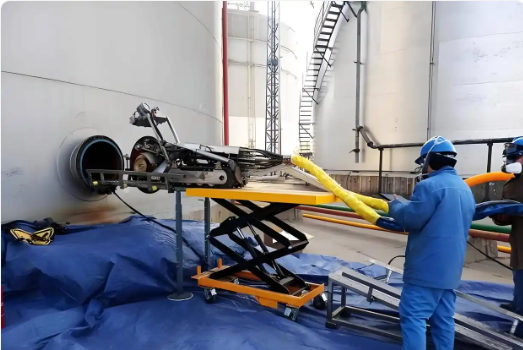
Manual Oil Tank Cleaning Operation Procedure:
1. Preparation Phase This is the prerequisite guarantee for operation safety. Four key tasks shall be completed: develop a detailed tank cleaning plan based on the tank type, stored medium and capacity, specifying operating procedures, safety protection measures and personnel responsibilities; organize safety and operational training for all involved personnel to ensure full familiarity with workflows and risk points; prepare explosionproof tools, ventilation equipment, personal protective equipment, suction devices and other materials, and conduct pre commissioning to ensure proper equipment function; shut off all pipeline valves connected to the oil tank and install blind flanges for complete tank isolation to prevent oilgas from migrating into the working area.
2. Oil Transfer Operation Use special oil pumps and other equipment to transfer remaining oil inside the tank to other compliant storage containers. Lower the liquid level in the tank as far as possible to reduce workload and hazards of subsequent tank cleaning work.
3. Steam Purging Inject steam into the oil tank to vaporize and discharge residual oil gas. Purging duration and steam consumption shall be adjusted according to tank dimensions and stored medium. Strictly control steam temperature and pressure during operation to avoid thermal deformation of the tank body.
4. Ventilation First open the manhole and lighting hole of the oil tank for natural ventilation, then use explosion proof fans for forced ventilation to continuously reduce internal oil and gas concentration. Maintain sufficient ventilation until the oil and gas concentration meets safety standards.
5. Gas Detection Employ professional gas detectors to measure oil and gas concentration and oxygen content inside the tank. The oil and gas concentration shall be kept below the lower explosive limit (LEL), and oxygen content shall remain within the safe range of 19.5%-23.5%. Personnel may enter the tank for work only after passing gas detection.
6. In tank Cleaning Operators shall wear full protective gear before entering the tank. Remove sediments such as oil sludge, impurities and rust at the tank bottom with special tools. Waste generated from cleaning shall be properly disposed of by qualified organizations to prevent environmental pollution.
7. Inspection and Acceptance Upon completion of tank cleaning, conduct a comprehensive internal inspection of the oil tank to verify no residual oil contamination or impurities and that the tank body is free of damage or deformation. Meanwhile, check that auxiliary fittings including valves, liquid level gauges and thermometers are functioning properly.
8. Return to Service Remove the previously installed isolating blind flanges and reconnect pipelines. Carry out pressure and leak tightness tests on the oil tank. The tank may resume normal storage operations once tests are satisfactory.
To conclude,whether it is manual tank cleaning or robot tank cleaning job ,safety is always first concern and operators should never down play it .