
Affiliate Program
Tank Cleaning Robot Safety Instructions

These safety instructions apply to the operation, inspection and maintenance of automatic tank cleaning robot for industrial storage tanks, chemical tanks, oil tanks and sewage tanks. All operators, maintenance personnel and on-site supervisors must strictly follow the rules below to prevent personal injury, equipment damage and safety accidents.
1.Tank cleaning robot Pre operation safety inspection:
1.1 Check the hydraulic system of the equipment first. Verify that the hydraulic station oil level is sufficient and fully meets the equipment operating specifications, ensuring the hydraulic power system work stably.
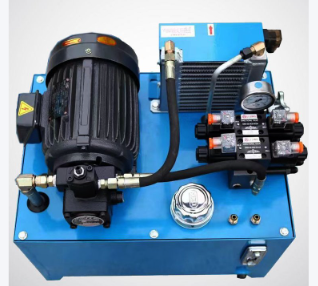
1.2 Thoroughly inspect all hydraulic line connections of the equipment. Confirm all joints are tightly connected without looseness, oil seepage or liquid leakage, so as to prevent hydraulic failure during operation.
1.3 Test the emergency stop function of the equipment. Press the emergency stop button to verify that the machine can immediately stop all actions and cut off the power output normally to guarantee emergency safety.
1.4 Clean and sort out the surrounding working area of the equipment. It is forbidden to place or store any unrelated items around the equipment to ensure a barrier-free working environment and avoid operational risks.
1.5 Confirm the complete configuration of all ancillary supporting equipment. Meanwhile, check and ensure all personnel protective measures are fully in place before starting work.
2 . Tank cleaning robot in operation safety specification:
2.1 All operators must be fully familiar with the overall performance and structural characteristics of the tank cleaning robot. Overload operation beyond the rated capacity is strictly prohibited to prevent equipment damage and safety hazards.
2.2 Strictly follow the rated parameters of the ground station. Any operation that exceeds the set ground station parameters is forbidden to ensure stable and safe working status.
2.3 Monitor the hydraulic oil temperature in real time during long-term operation. If the hydraulic oil temperature rises excessively, stop the operation immediately to avoid component burnout and equipment failure.
2.4 Once system malfunctions, abnormal noise, jitter or other abnormal operating states occur, halt the machine immediately, suspend cleaning work, and conduct professional troubleshooting before restarting.
2.5 Always check and confirm the working pressure during operation. Keep a cautious attitude towards pressure adjustment to prevent excessive working pressure from damaging the pipeline and equipment body.
2.6 Keep a safe distance during operation. Personnel are not allowed to lean over the tank opening or touch the running equipment to avoid collision injury and high-pressure liquid scalding.
3. Tank cleaning robot post operation safety handling:
3.1 Cut off the power supply and water source of the equipment first. Ensure the device is completely powered off to eliminate potential safety risks.
3.2 Thoroughly wipe and clean the equipment body, nozzle and hydraulic pipeline to remove residual dirt and chemical liquid. Complete on-site sorting and sanitation work to keep the equipment and working area clean.
3.3 Carry out comprehensive routine maintenance and regular servicing for the equipment. Inspect wearing parts, fasteners and hydraulic sealing components, replace worn accessories and tighten loose joints to maintain good operating performance.
3.4 Store the maintained equipment and supporting tools in a dry, ventilated and dust-free environment to prolong the service life of the machine.

4.Emergency Response Rules
4.1 In case of equipment stuck, pipeline burst, liquid leakage or electrical leakage during operation, trigger the emergency stop device immediately, cut off the power and water source, and evacuate on-site personnel quickly.
4.2 In case of flammable gas leakage or fire risk, cut off all power sources immediately, use qualified fire-fighting equipment for disposal, and report to the safety management department in time.
4.3 In case of personal injury, stop the operation immediately, carry out preliminary first aid, and send the injured person to professional medical treatment as soon as possible.